HeadshotAI.org Explained: Pricing, Free Credits, Privacy, and How It Works
What the public pages establish about HeadshotAI.org, what the credit packs buy, and what a live generation has not yet confirmed.
HeadshotAI is an online AI headshot generator that works from one photo. You select a studio template, and the service generates a portrait for a LinkedIn profile, résumé, website, team page, or email signature. New accounts receive 15 credits once—enough for one portrait. Paid options are one-time credit packs, not subscriptions.
The main question is whether that single-photo, template-based workflow fits your needs. Here is what the public information establishes, what the credit prices actually buy, and what remains unverified.
Information checked on November 19, 2026, Asia/Shanghai time. This article examines public pages and frontend behavior; it does not include a live generation test.

First, make sure you have the right product
Several services use similar names. This article covers headshotai.org, not Headshot.AI, HeadshotsAI, or other similarly named tools.
That distinction matters: a review, price, or refund policy for another domain is not evidence about this product. HeadshotAI.org’s published offer is one uploaded photo, a selected template, and one portrait per generation, charged in credits.
How HeadshotAI works
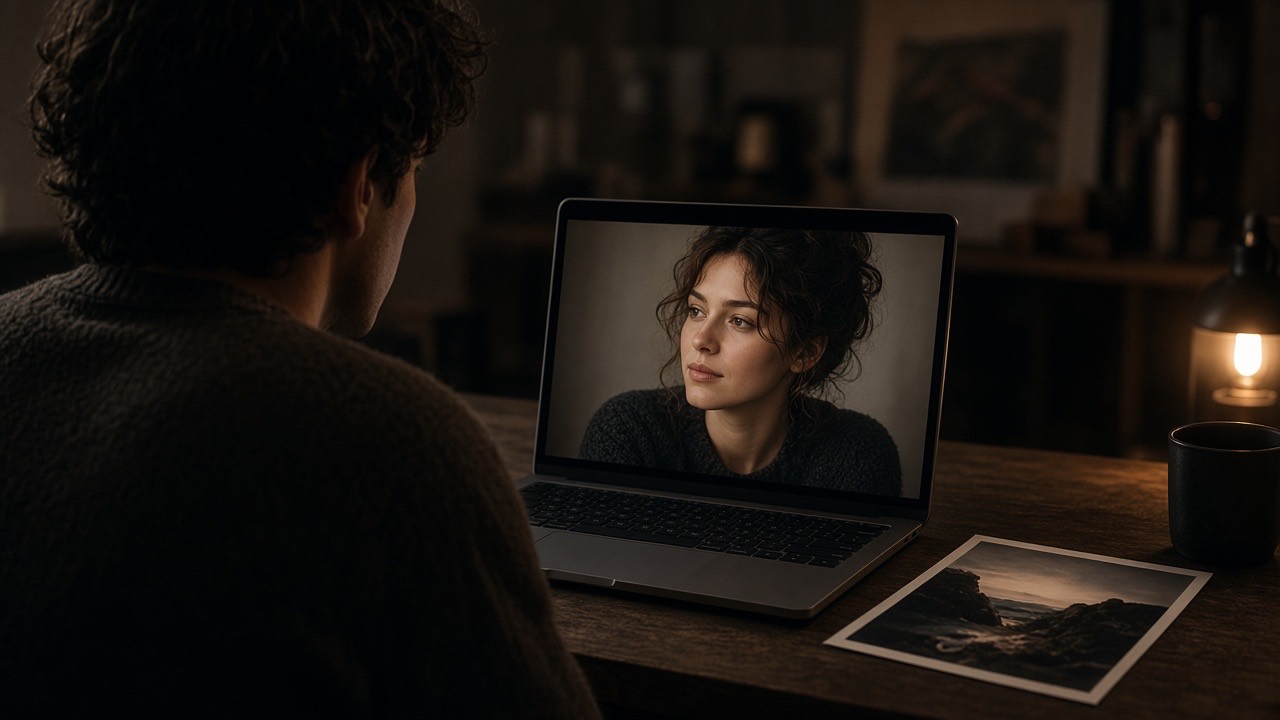
You need an account with a verified email address. The site offers email-and-password registration and Google sign-in. Its public frontend checks email verification before allowing generation.
Prepare one recent photo with a clearly visible face, even lighting, and only one person in the frame. A mostly front-facing image follows the site’s recommendations. The upload accepts JPG, PNG, or WebP files up to 8 MB.
Next, choose a look. The public catalog contains 35 templates across four categories: work, formal, relaxed, and outdoor portraits. Templates guide clothing, lighting, and composition. Labels such as 4:5, 1:1, and 3:4 describe framing ratios—not the downloaded image’s pixel resolution.
Each generation requires 15 credits. If the account lacks sufficient credits, the site directs the user toward a purchase. The generation request submits the uploaded photo and the template reference image to an image provider. A successful response displays the portrait with a download option.
The terms of service allow personal and business use of finished portraits, including online and printed uses. They also make an important qualification: the result is not guaranteed to reproduce your face exactly and is not promised to meet official ID-photo requirements.
Pricing: what the credits actually buy
The pricing page lists US-dollar credit packs. Purchases are one-time payments, and credits do not expire.
At 15 credits per portrait, the published options work out as follows:
- Free allowance: 15 signup credits, enough for one generation. The page says no credit card is required.
- Starter: $9.90 for 1,000 credits. That covers 66 complete generations, leaving 10 credits, at approximately $0.150 per generation.
- Pro: $19.90 for 2,200 credits. That covers 146 complete generations, leaving 10 credits, at approximately $0.136 per generation.
- Ultimate: $49.90 for 6,000 credits. That covers 400 generations, at approximately $0.125 per generation.
These calculations assume the full pack is used under the current 15-credit rule. They describe generation cost, not the cost of a usable final headshot. If several attempts are needed to produce one portrait you would publish, the cost per accepted image is higher.
For someone who needs only one photo, the total purchase price also matters more than the theoretical cost of using every credit. The signup allowance provides one opportunity to inspect a result before purchasing a pack.
Some displayed discount percentages do not match the listed original and current prices. Use the actual payable price and credit quantity when comparing value, rather than relying on the discount badge.
Which AI models does it use?
The privacy policy names two image engines:
- Seedream, the default, provided through Volcengine Ark.
- Wan, provided through Alibaba Cloud Model Studio.
There is a distinction between the policy and the visible implementation. The policy describes sending images to the provider for the selected engine, but the public homepage’s generation request specifies Seedream. Whether a working Wan selection is available after sign-in has not been confirmed.
The public materials do not disclose exact model versions, parameter counts, training methods, output pixel dimensions, or typical generation time. Naming an engine alone does not establish how closely a result will resemble the uploaded person.
Privacy: not retaining an upload is not the same as keeping it on-site
HeadshotAI says it does not keep a separate copy of the uploaded original. However, generating a portrait still involves sending that photo and the template image to a third-party image provider.
Those are different questions: whether HeadshotAI retains an original, and which services process it. “No separate original stored” should not be read as “your photo never leaves this website.” The public information reviewed here does not establish the third-party providers’ retention periods.
According to the policy, finished portraits are stored in private Cloudflare storage and are accessible through the signed-in account. Stored portraits can be deleted in account settings; account deletion requires contacting the service by email.
Only upload a photo you have permission to use. If generating a portrait for someone else, obtain their consent before sending their image for processing.
Failed generation versus an unsatisfactory result
Credits are charged when generation starts. The published rule says that if the portrait is not saved successfully, the same number of credits is returned.
That is a technical-failure provision, not a general satisfaction guarantee. It does not promise a cash refund—or replacement credits—simply because you dislike the face, hairstyle, or clothing in a completed result.
The terms state that payment refunds are handled where legally required. They do not offer a general money-back guarantee. Whether the automatic credit-return mechanism works in practice was not tested for this article.
How its workflow differs from alternatives
HeadshotsAI also starts with one selfie, but its official site emphasizes watermarked previews before payment and package-based delivery. HeadshotAI.org instead uses an account and credits, with one selected template per generation. Its free signup allowance offers one result before a paid pack, rather than an unrestricted preview-before-payment workflow.
Aragon describes uploading several reference photos and receiving a batch of headshots to choose from. The practical difference is preparing multiple inputs and reviewing a batch, versus starting from one photo and generating individual template choices.
These are workflow comparisons, not evidence that one service produces better likeness. Multiple input photos also do not, by themselves, prove that every competing service trains a dedicated personal model.
Who is HeadshotAI for?
The workflow may suit someone who wants to try a small number of professional looks from one existing photo and prefers non-subscription purchasing. The free generation makes it possible to inspect one result before committing to a credit pack.
A different service may be worth considering if you need bulk delivery, a documented team-management workflow, guaranteed download specifications, or official ID-photo compliance. HeadshotAI’s public information does not establish those capabilities.
Frequently asked questions
Is HeadshotAI completely free?
No. New accounts receive enough credits for one generation. Further generations require available credits, normally obtained through a paid pack.
Can I use the result on LinkedIn or a business website?
Those are intended uses. Review the result for likeness and visible errors before publishing it.
Do I own my finished portrait?
The terms say the finished portrait is yours for personal and business use. That does not transfer rights to the templates or the HeadshotAI brand.
Will it definitely look like me?
No exact likeness is guaranteed. The terms acknowledge that facial features can change.
How long does it take, and are downloads watermarked?
The reviewed public pages do not establish a generation time, download resolution, or watermark policy. Those details require a live test.
Bottom line
HeadshotAI.org offers a clear starting proposition: one photo, a chosen template, one portrait per generation, and one free attempt through signup credits. Its pricing is straightforward once credits are converted into complete generations.
The remaining uncertainty is the output itself: likeness, speed, resolution, watermarks, and consistency across templates. Until those are documented through actual generation, the strongest case for the product is its accessible workflow—not an unverified claim that it is faster, more realistic, or better than competitors.